Understanding Your Tractor's Exhaust System: A Crucial Component for Sustainable Farming
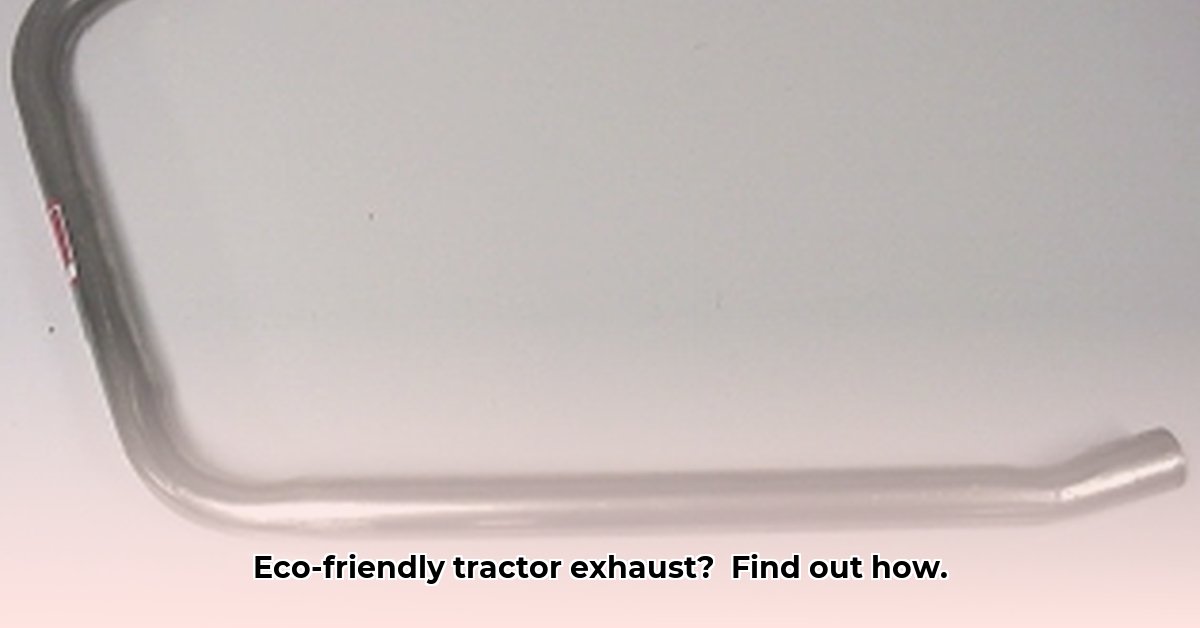
The exhaust system of your tractor is more than just a pipe; it's a critical component influencing both engine performance and environmental impact. This comprehensive guide will equip you with the knowledge and practical steps to optimize your tractor's exhaust system for a greener, more sustainable farming operation. Failing to properly maintain and understand your exhaust system can lead to increased emissions and decreased engine longevity. How can you ensure your tractor is operating at peak efficiency while minimizing its environmental footprint? For tire size information, check out this helpful tire size chart.
Choosing the Right Exhaust Pipe Material: A Balance of Cost, Durability, and Sustainability
The material of your exhaust pipe significantly impacts its lifespan, performance, and overall environmental impact. Stainless steel, prized for its exceptional durability and corrosion resistance, offers long-term cost savings despite a higher initial investment. Aluminized steel presents a more budget-friendly alternative but requires more frequent replacement due to its susceptibility to rust. Increasingly, manufacturers are incorporating recycled materials in their manufacturing processes, offering a sustainable alternative that minimizes waste and lowers the carbon footprint of production. The decision hinges on a careful evaluation of your budget, operational needs, and commitment to environmental responsibility. What material best balances your farm's needs with environmental considerations?
Emission Control Technologies: Maximizing Efficiency and Minimizing Pollution
Modern tractors employ sophisticated emission control technologies designed to drastically reduce harmful pollutants. Understanding these systems is crucial for optimizing both the performance of your tractor and your environmental stewardship.
Diesel Particulate Filters (DPFs): Trapping Soot and Particulates
DPFs act as sophisticated filters, trapping soot and other particulate matter from the exhaust gases. Regular maintenance, including cleaning or replacement as recommended by the manufacturer, is vital for continued effectiveness. A blocked DPF can severely restrict exhaust flow, impacting engine performance and escalating emissions. How often should you clean or replace your DPF to maintain optimal performance?
Selective Catalytic Reduction (SCR): Transforming Harmful NOx
SCR systems employ a catalyst and diesel exhaust fluid (DEF) to convert harmful nitrogen oxides (NOx) into less harmful nitrogen and water vapor. Maintaining the correct DEF levels is critical for the efficiency of this system. Low DEF levels will lead to increased NOx emissions and potential engine damage. What are the recommended DEF levels for your specific tractor model, and how frequently should you check and refill?
Exhaust Gas Recirculation (EGR): Reducing NOx Formation at the Source
EGR systems redirect a portion of the exhaust gases back into the engine's combustion chamber, lowering combustion temperatures and thus reducing the formation of NOx. While the exhaust pipe’s role is indirect, its design and condition significantly influence the overall efficiency of the EGR system. How does the efficiency of your EGR system impact your overall emissions?
Maintenance and Repair: Proactive Steps for Long-Term Sustainability
Regular inspection and maintenance of your tractor's exhaust system are paramount to ensuring both its longevity and its effectiveness in reducing pollutants. This preventative care is far more cost-effective than reactive repairs.
Visual Inspections: Regularly inspect your exhaust pipe for cracks, holes, rust, or other signs of damage. Addressing these issues promptly prevents further damage and maintains the integrity of your emission control system.
DPF Maintenance: Follow the manufacturer’s recommendations for cleaning or replacing your DPF. Neglecting this crucial step leads to increased emissions and potential engine damage.
Fluid Level Checks: Regularly check and maintain the appropriate levels of DEF (for SCR systems) to ensure optimal NOx reduction.
Professional Servicing: Schedule regular professional servicing to address any potential issues early and prevent costly repairs. This proactive approach ensures continued emission control and optimal engine performance.
Regulations and Compliance: Understanding and Adhering to Emission Standards
Emission regulations are in constant evolution, varying by region and jurisdiction. Staying informed about and complying with these regulations is not only environmentally responsible but also legally mandated. Failure to meet emission standards can result in significant penalties. Regularly check for updates to relevant emission regulations in your region.
Choosing Sustainable Materials: Minimizing the Environmental Footprint
The environmental impact of your tractor extends beyond its operation; it includes the manufacturing and disposal of its components. By choosing manufacturers committed to sustainability and seeking out products using recycled materials, you can further reduce the overall carbon footprint of your farming operation. Prioritize manufacturers committed to sustainable manufacturing processes and the reduction of waste in production.
Dr. Anya Sharma, Agricultural Engineer, University of California, Davis: “Sustainable farming requires a holistic approach. Choosing sustainable materials and maintaining your exhaust system are crucial steps in minimizing your farm’s environmental impact.”
This detailed guide offers farmers actionable steps towards a more sustainable and environmentally conscious operation. Remember, the effectiveness of emission control hinges on consistent maintenance, informed choices, and adherence to regulations. By taking these steps, you contribute to a cleaner environment and a more responsible future of agriculture.